
Categories
Rodents

Common Rodent Entry Points in Maine Houses and How to Seal Them

Maine’s cold winters and wooded landscapes make our homes especially appealing to rodents seeking warmth, shelter, and food. The key to preventing infestations is understanding common rodent entry point vulnerabilities and sealing them properly. In this post, we’ll walk you through the most frequently exploited entry zones in Maine houses and how Atlantic Pest Control recommends sealing them before problems begin.

Why Entry Points Matter

A small breach in your structure—sometimes as tiny as a quarter—can be a common rodent entry point. Once rodents gain access, they can nest in walls, chew wiring, spread disease, and do costly damage. Identifying and sealing entry points is often more effective than chasing infestations after the fact.

Typical Entry Zones in Maine Homes

1. Foundation Gaps and Cracks

Over time, concrete foundations can crack, settle, or shift—especially in Maine’s freeze-thaw cycles. Rodents wedge through gaps between foundation walls and the soil, or cracks in concrete block or poured concrete. These are often overlooked common rodent entry point areas.

How to seal them:

  • Use hydraulic cement or mortar to close cracks in concrete foundations.
  • For larger gaps, install steel mesh or hardware cloth beneath sill plates or around piers.

2. Gaps Around Utility Penetrations

Pipes, vents, cables, and conduits must enter through walls. Where they pass through siding, flashing, or foundations, small fissures often remain. Rodents squeeze through those holes to get inside. These are classic common rodent entry point spots.

How to seal them:

  • For round holes around pipes, use steel wool or copper mesh, then seal with silicone or urethane caulk.
  • For larger openings, install metal flash collars (pipe boots) or metal escutcheon plates.

3. Roof Lines, Vents, and Soffits

Maine homes often have attic vents, roof eaves, overhangs, soffits and fascia boards—all exposed to weather and animals. Where wood has rotted or where vents lack proper screens, rodents find weak spots. These too are common rodent entry point zones.

How to seal them:

  • Inspect vent covers and screens for holes, rust, or missing fasteners; replace or patch damaged screens.
  • Repair rotting fascia or soffit boards; use treated or rot-resistant wood or exterior-grade PVC alternatives.
  • Use metal flashing to seal junctions between roof and siding or chimneys.

4. Doorways, Windows, and Crawl Spaces

Doors and windows are obvious weak links if they don’t fit properly or if the frames are damaged. Crawl spaces, especially vent openings, can give rodents unfettered access under your home. These are among the most overlooked common rodent entry point areas.

How to seal them:

  • Patch holes and gaps in door and window frames, install threshold seals, or use metal kick plates.
  • Ensure weather-stripping is in good condition and replace if damaged.
  • Install mesh screening over crawl space vents; inspect regularly to ensure integrity.

Tools and Materials You’ll Need

To effectively seal entry points, you’ll need the right supplies. Atlantic Pest Control recommends gathering:

  • Steel wool, copper mesh, hardware cloth
  • Silicone or polyurethane caulk, expanding foam sealant
  • Mortar or hydraulic cement for masonry repairs
  • Metal flashing, pipe collars, screen material
  • Work gloves, safety glasses, ladder

Proper installation matters. Using poor-quality materials or skipping steps may leave weak spots for rodents to exploit.

Seasonal Considerations in Maine

Because Maine’s climate changes dramatically across the year—from freezing winters to moist, mild summers—materials can shift, expand, or degrade. Checking your home twice a year is smart.

  • Late spring / early summer: After snow melt and before Maine’s rainy season, inspect foundation lines and vent screens.
  • Fall: Before winter, ensure there are no new gaps, especially under doors or around utility lines where frost or settling may have opened breaches.

When to Bring in the Professionals

If you find many failing seals, evidence of chewing or nesting inside walls, or if rodents have already gained access, it may be time to call Atlantic Pest Control. Professionals can identify hidden common rodent entry point vulnerabilities you might miss, such as gaps in insulation, voids behind siding, or roof penetrations behind chimneys.

When you hire Atlantic Pest Control, you benefit from expertise, durable materials, and methods designed to hold up through harsh Maine winters and changing seasons.

Maintaining Your Seals

Once sealed, entry points require periodic maintenance. Here are tips to keep your work effective:

  • Inspect sealed areas regularly—after storms, snow melt, or freezing. Look for cracks or gaps reopening.
  • Trim vegetation or tree branches near house walls, roofs, or attic vents—they can provide jumping-off points or hide damage.
  • Keep gutters clean so water doesn’t back up and damage seals or wood.
  • Store firewood or debris away from siding or foundation walls; even small wood piles attract rodents, who then test seals.

Final Thoughts

Rodents exploit any weak spot in your home’s exterior—from foundation cracks to vent gaps to rotting wood around eaves. Identifying and sealing each common rodent entry point is one of the most effective steps toward preventing rodent problems. With the right tools, careful work, and seasonal checks, many leaks can be sealed before rodents ever get inside.

But when in doubt—when you’ve found signs of infestation or suspect hidden access—turn to professionals. Atlantic Pest Control has the skills, materials, and experience to seal entry points thoroughly and protect your Maine home long-term. Don’t wait for damage to start—make your home rodent-resistant today.

Categories
Rodents

The Dangers of Rodents in Maine Homes: Health Risks and Property Damage

Rodents in Maine aren’t just pests; they are a serious problem. The dangers of rodents go far beyond squeaky floors and late-night rustling—they threaten your health, your home, and your peace of mind. In this post, we’ll examine how rodents cause harm, what risks they pose, and how Atlantic Pest Control can help you protect your loved ones and your property.

What Are the Main Risks?

1. Health Hazards

Rodents carry diseases. Their droppings, urine, fur, and even saliva can contaminate surfaces and air you breathe. Some threats include:

  • Hantavirus, which can be transmitted when people inhale dust from dried rodent droppings.
  • Salmonella, via contact with food or surfaces contaminated by rodent excrement.
  • Leptospirosis, often spread through water or soil contaminated with infected urine.
  • Allergic reactions and asthma attacks, triggered by dander, hair, or droppings.

These issues underscore the dangers of rodents to human health.

2. Property Damage

Mice, rats, and other rodents don’t just peek in—they chew. Because their incisor teeth never stop growing, they gnaw constantly on wood, wires, insulation, drywall, and pipes. This leads to:

  • Electrical fires, when wires get chewed and insulation is exposed.
  • Structural damage, as they burrow or nest in attics, walls, or crawl spaces.
  • Repair costs that pile up, since damage may be hidden until it’s extensive.

The dangers of rodents to your home’s integrity are very real—and often underestimated.

Why Maine Homes Are Especially Vulnerable

Maine’s climate and typical house designs create ideal conditions for rodent invasions:

  • Cold winters drive rodents indoors for warmth and food.
  • Older homes, common in many parts of Maine, may have cracks, outdated foundations, or gaps around pipes.
  • Wooded surroundings make encounters with wildlife frequent; rodents bridge the gap between forest and home.

Unfortunately, many homeowners see minor signs—chewed cardboard, tiny droppings, scratching noises—and treat them lightly. But those are warning flashes of the dangers of rodents escalating into serious infestations.

Hidden Costs and Long-Term Consequences

Here are costs and consequences people often don’t think about until too late:

  • Contaminated food: If rodents get into pantries, they spoil food supplies, creating waste and increasing grocery bills.
  • Insurance complications: Some insurance policies may not cover damage from neglected infestations.
  • Home resale value: Evidence of rodent damage or previous infestation may lower market value or scare off buyers.
  • Emotional stress: The anxiety of hearing scratching at night or finding droppings can significantly reduce comfort and well-being in one’s own home.

Each of these is part of the broader picture of the dangers of rodents in Maine homes—risks that grow over time.

Preventive Measures: What You Can Do

You don’t have to wait for disaster. Here are some tips to reduce risks:

  • Seal all entry points: gaps around foundations, vents, doors, and pipes should be fixed.
  • Maintain hygiene: store food properly, clean up spills, remove clutter, seal garbage.
  • Trap early: use snap traps or bait stations at the first sign of rodent activity.
  • Inspect regularly: look for droppings, gnaw marks, water damage, or nesting material.

But for serious infestations or if prevention is not enough, that’s where Atlantic Pest Control comes in.

Why Hiring Professionals Matters

When you call in experts, you get more than traps. Atlantic Pest Control offers:

  • Comprehensive inspections to identify all entry points and nesting areas.
  • Safe, effective treatments, using approved rodenticides or exclusion techniques that comply with regulations.
  • Long-term solutions, not just patchwork fixes—this means monitoring, follow-ups, and protection so the rodents don’t return.
  • Peace of mind, knowing that the dangers of rodents are being handled by experienced professionals.

When to Call for Help

You’ve tried traps. You’ve cleaned up. But there are still signs. These are red flags:

  • You find droppings in many rooms.
  • You hear scratching or scampering behind walls or in attics.
  • You see chewed wires or insulation.

You find nests with young rodents.

If you notice these, the dangers of rodents are no longer hypothetical—it’s time for professional intervention.

Conclusion

Rodents may seem small, but the health risks and property damage they bring are anything but minor. From spreading disease to chewing wiring and compromising your home’s structure, the dangers of rodents in Maine are broad and serious. Taking preventative action early is wise, but when the issue grows or when peace of mind is at stake, hiring professionals makes all the difference.

For Maine homeowners concerned about the risks, Atlantic Pest Control is ready to help assess, treat, and protect your home against rodents. Don’t wait until the damage is done—let qualified experts handle the problem.

Categories
Rodents

DIY Rodent Control vs. Professional Pest Control in York, ME

Living in York, ME, we know that rodents like mice and rats can be more than just a nuisance — they pose health risks, property damage, and peace-of-mind disruptions. Many homeowners attempt do-it-yourself (DIY) methods first; others opt for professional services. In this post, we’ll compare DIY rodent control to hiring experts, clarifying when you should consider professional pest control in York, ME, especially services provided by Atlantic Pest Control.

What DIY Rodent Control Looks Like

DIY rodent control involves basic tools and methods you can use without hiring outside help. Common approaches include:

  • Snap traps, glue boards, and live trap: These are inexpensive, easy to find, and can work on small infestations. Proper placement is crucial— rodents tend to travel along walls, into corners, and near food sources.
  • Seal entry points: This means inspecting your home’s exterior, checking for gaps around pipes, vents, and doors. Steel wool, metal flashing, and hardware cloth are common materials to block smaller entry areas.
  • Sanitation and hygiene: Keeping food tightly sealed, removing clutter, cleaning up pet food, and minimizing debris are essential to deprive rodents of food and nesting material.
  • Repellents and deterrent: Ultrasonic devices, certain plants, peppermint oil—these are popular deterrents. But effectiveness is often inconsistent, especially in a humid New England environment.

Limitations of DIY Rodent Control

While DIY methods appeal to the budget-minded, they often fall short in York, ME’s climate and terrain for several reasons:

  • Hidden infestations: Rodents can be inside walls, attics, basements, or crawl spaces, where DIY traps won’t reach.
  • Continuous re-entry: Birds, squirrels, raccoons, or neighboring infestations may reintroduce rodents unless your entire property is treated professionally.
  • Improper identification: Mistaking a mouse for a rat, or missing the type of rodent, can lead to ineffective treatment and wasted time.
  • Health risks: Exposure to rodent droppings, urine, and pathogens can pose serious risks. Mismatched chemicals or traps can also harm children or pets.

What Professional Pest Control in York, ME Can Offer

This is where professional pest control in York, ME shines. Hiring seasoned professionals offers many advantages:

  • Comprehensive inspection: Experts from Atlantic Pest Control identify all entry points, nesting sites, gather evidence, and even discover activity you might miss.
  • Tailored treatment plan: Professionals don’t rely on a generic trap or spray. They determine whether bait stations, exclusion work, sanitation, or specific rodent control techniques suit your property best. This customized strategy often yields faster, more reliable results.
  • Safe and regulated chemicals: Treatment often involves rodenticides, bait stations, or other control agents that are regulated. Using these safely around children, pets, or food areas requires knowledge and experience.
  • Warranty and follow-up: A pro company backs its work. If rodents return, many contracts include follow-up inspections and treatments at little or no extra cost. That isn’t typical with DIY methods.
  • Long-term monitoring and prevention: After initial elimination, professionals often install monitoring systems or schedule periodic checks so you don’t face the same problem again.

When DIY Might Be Enough

There are situations where DIY works:

  • Small, early-stage mouse problem (one or two rodents)
  • Budget constraints where you simply can’t afford professional help now
  • Temporary solutions while you schedule a professional inspection

Even then, combining DIY efforts with basic preventative measures (sealing cracks, storing food properly) can help reduce the infestation until you can get help.

Why Choose Atlantic Pest Control

When the infestation is larger, or if DIY methods aren’t yielding success, it’s time to call in the experts. Atlantic Pest Control, serving York, ME and surrounding areas, have the experience, tools, and commitment to provide complete rodent services. When you hire Atlantic Pest Control, you get:

  • A team familiar with local rodent species (mice, Norway rats, etc.) and their behaviors in Maine winters.
  • Access to specialized exclusion and sealing techniques to prevent winter entry.
  • Transparent reporting and treatment plans.
  • Peace of mind knowing the job is done correctly—not just for today, but to reduce risk over winter months and years ahead.

DIY vs. Professional Pest Control: A Side-by-Side Snapshot

AspectDIY Rodent ControlProfessional Pest Control in York, ME
Cost upfrontLow initial investment (traps, supplies)Higher up front, but also includes inspection, materials, labor
Time investmentYou must manage traps, baiting, repairsProfessionals handle the heavy lifting
EffectivenessCan be effective for small problemsMore effective for moderate to severe infestations
SafetyRisk if chemicals misused or setup wrongControlled, regulated, with trained technicians
Long-term preventionRequires you to stay vigilantComes with warranties, follow-ups, monitoring

When to Call Atlantic Pest Control in York, ME

You see multiple rodent signs (droppings, chewed wires, noise in walls or attic)

  • You locate nests or young rodents
  • DIY traps or repellents aren’t working after a few attempts
  • If there are vulnerable people in your home (elderly, children, pets)

In these cases, professional pest control in York, ME services are not just an option—they’re the smart choice.

Conclusion

DIY rodent control in York, ME offers some advantages: affordability, immediacy, and a sense of control. For very small, early signs of infestation, it may be enough. But for most homeowners facing a persistent or serious rodent issue, professional pest control in York, ME delivers thorough inspections, safer and more targeted treatments, and peace of mind that the job is truly done.

If you’re dealing with rodents now, let Atlantic Pest Control evaluate your situation and put in place an effective, lasting solution. The comfort and safety of your home deserve nothing less than total control.

Categories
Rodents

How Maine Weather Affects Rodent Infestations

When it comes to pest control in Maine, few seasonal challenges compare to dealing with rodent infestations. Whether it’s the biting cold of winter, the thaw of spring, or the heavy snows and thaw cycles of late winter, Maine’s unique climate patterns can strongly influence when and where rodents move into homes. At Atlantic Pest Control, we’ve seen firsthand how weather swings create prime conditions for nuisance rodents — and why homeowners need to stay vigilant.

Winter’s Push Indoors

Maine winters are notoriously harsh, with long stretches of freezing temperatures, ice, snow, and frozen ground. Outside, food becomes scarce and surviving is difficult for many small mammals. As conditions worsen outdoors, rodents like mice, rats, and voles look for reliable sources of warmth, food, and shelter. That drives them indoors — into basements, attics, wall voids, crawlspaces, and other hidden sanctuaries.

Many homeowners see signs of rodent infestations only after the worst of the winter has hit — noises in walls, droppings, gnaw marks — but by then the rodents may already be deeply established. Studies and local observations show that warmer winters (or winters with periods of thaw) actually benefit rodent survival, reducing cold-related die-offs, and increasing the base population heading into spring.

The Spring Melt and Subnivean Tunnels

As winter gives way to spring, snowmelt and fluctuating temperatures cause thaw–freeze cycles. Under the snowpack, rodents often survive in the so-called “subnivean” layer — the zone between ground and snow where temperatures hover just above freezing, and tunnels can be maintained.

When the snow melts and ground surfaces emerge, rodents venture outward (or upward) in search of food and new territory. If they’re already near a foundation, that makes it easy for them to explore gaps, cracks, or small openings in structures. The thaw also saturates soils, causing moisture problems in basements or crawlspaces, which can further attract rodents seeking dry shelter.

During spring, rodent infestations can expand comparatively quickly. A pair of mice can produce multiple litters in a single season. With milder winters and earlier thaws becoming more common under shifting climate patterns, rodent populations may be increasing overall.

Summer and Rodent Behavior

You might think rodents would be less of a concern in summer when food is abundant outdoors — and in many cases they are. But summer heat, drought, heavy rains, or landscape changes (e.g. construction, shrinking water sources) can push rodents closer to human structures. They may explore foundations, dig near footings, or exploit weak points in building envelopes. Also, birds’ seed feeders, garden produce, trash piles, pet food left outdoors — all increase in summer — giving rodents more incentive to stay nearby.

So even in the warm months, rodent infestations aren’t impossible. That’s why perimeter maintenance, exclusion work, and monitoring are year-round necessities.

Fall Transition and Pre-Winter Buildup

As summer fades into fall, rodents begin preparing for the harsh months ahead. They actively search for nesting sites, stock up on food, and explore sheltered spaces closer to structures. The cooling temperatures push them inward earlier in the season. In many cases, fall is when a rodent problem first becomes detectable inside a home.

Rodents will enter through small gaps, foundation cracks, unscreened vents, or utility penetrations. Once inside, they exploit insulation, wall cavities, stored materials, and dark undisturbed corners to nest. From there, rodent infestations can intensify rapidly.

Why Maine’s Changing Climate Matters

Climate trends are making the rodent-weather relationship even more complex. Warmer, shorter winters and earlier thaws mean better survival for rodents, longer breeding seasons, and more continuous pressure on structures.

Meanwhile, extreme weather events (heavy rainfall, flooding) may push rodents into homes seeking dry refuge. Shifting patterns of precipitation or snowpack also influence rodent movement and habitat suitability.

For homeowners, this means that once-seasonal rodent pressure is becoming more of a year-round concern.

How Atlantic Pest Control Helps

At Atlantic Pest Control, we understand how Maine’s climate cycles drive rodent infestations. That’s why our rodent control programs are designed to adapt to seasonal dynamics:

  • We conduct thorough inspections for possible entry points, vulnerabilities, and signs of rodent activity.
  • We apply exclusion strategies — sealing cracks, installing screens or mesh, securing vents, door sweeps, attics, and more.
  • We set and monitor bait stations, traps, and deterrents strategically, especially during seasonal risk windows.
  • We provide follow-up visits, ongoing monitoring, and maintenance to prevent recurrence.

Because rodent infestations are not just a winter problem in Maine anymore, a reactive one-off treatment is often insufficient. Ongoing vigilance, especially considering the changing climate, is crucial. That’s part of why property owners trust Atlantic Pest Control for long-term rodent management.

Proactive Tips for Homeowners

Here are some steps Maine homeowners can take, beyond hiring professional help:

  • Seal and repair openings: Look for cracks, gaps, utility lines, vents, and openings in foundations and roofs.
  • Maintain proper drainage: Ensure gutters, downspouts, and grading direct water away from the foundation.
  • Manage moisture: Fix leaks, reduce humidity in basements, and ventilate crawlspaces.
  • Control food sources: Store food in rodent-proof containers, secure trash, bird feeders, and pet food.
  • Declutter storage areas: Avoid piles of wood, boxes, or debris touching exterior walls.
  • Inspect regularly: Check for droppings, gnaw marks, noises in walls, or sudden pest activity.

If you suspect a rodent problem — or want a preventative plan — call Atlantic Pest Control early. Our technicians will evaluate, treat, and advise on how to stay one step ahead of rodents in Maine’s variable weather.

Categories
Rodents

Seasonal Rodent Activity in Maine: When Rats and Mice Are Most Active

Maine’s varied climate brings many changes over the course of the year—and rodents are no exception. Understanding seasonal rodent activity can help homeowners predict when rats and mice are most likely to invade, prepare defenses, and take action before infestations take hold. Here’s what you need to know about when rodents are most active in Maine, how they behave through each season, and what steps Atlantic Pest Control recommends for protecting your home.

Why Rodents Follow the Seasons

Rodents, including mice and rats, are highly adaptive. Their behaviors shift with weather, food availability, and the need for shelter. Seasonal rodent activity peaks when conditions outside become unfavorable and imperfections in your home offer warm, dry refuge. Recognizing these patterns helps you spot problems early.

Spring: The Season of Growth and Opportunity

As snow melts and temperatures climb, rodents emerge more frequently outdoors in search of food, water, and nesting spots. Spring is when seasonal rodent activity increases because natural food sources are still sparse, so mice and rats start exploring new areas—including your attic, basement, or garage.

Signs to watch for:

  • Fresh droppings near foundations or in sheds
  • Gnaw marks on outdoor stored goods or woodpiles
  • Increased sightings of rodents in the early morning or dusk

In spring, Atlantic Pest Control suggests inspecting your home’s exterior for cracks, sealing vents, and minimizing shelter by trimming overgrowth close to walls.

Summer: Abundant Food, Concealed Nesting

Summer in Maine offers plenty of food: insects, seeds, fruits, and waste from human activity. With natural water sources also available, rodents may stay outdoors. However, seasonal rodent activity remains high because warmer temperatures drive rodents to hide from predators and heat.

You may notice:

  • Disturbances in landscaping or garden beds
  • Rodents frequenting dumpsters or compost piles
  • Increased rodent scurrying beneath siding or in crawlspaces

To counter summer rodent pressure, Atlantic Pest Control emphasizes sanitation—keeping garbage sealed, removing clutter, and ensuring doors and windows are well secured.

Autumn: The Surge of Seeking Shelter

Autumn is perhaps the peak time for seasonal rodent activity in Maine. As temperatures fall, rats and mice begin seeking warm places to live for the winter. Homes, barns, and cabins become inviting. Often, rodents slip through small crevices seeking entry.

Signs include:

  • Rustling sounds in attics or walls
  • Smell of ammonia or urine inside unused rooms
  • Rodent droppings in pantries or kitchen corners
  • Nests hidden away in insulation or stored items

When fall begins, Atlantic Pest Control recommends a thorough home inspection: sealing gaps, installing door sweeps, checking roofline vents—and most importantly, ensuring food storage is rodent-proof.

Winter: Inside Is Where They Thrive

During Maine’s long winters, rats and mice are mostly indoors. They remain active under insulation, inside walls or ceiling voids, and near heat sources. Seasonal rodent activity during winter tends to center around places that provide warmth, shelter, and easy access to food.

Things to look for:

  • Noises in walls after dark
  • Weird pet behavior (sniffing walls, pawing behind cabinets)
  • Evidence of gnawing on electrical wires or wood behind furniture
  • Indoor sightings are common; so are the risks of property damage and health concerns.

Atlantic Pest Control recommends monitoring heat ducts, keeping storage areas clean, and using traps or professional exclusion techniques to manage indoor rodent presence.

Factors That Influence When Rodents Strike

Several variables affect seasonal rodent activity in addition to just the calendar:

  • Weather anomalies: Particularly early or late cold snaps push rodents indoors earlier. Wet seasons can flood underground nests, sending rodents into homes.
  • Food supply: Less natural food makes human dwellings more attractive. Bird seed, pet food left outside, and unsecured trash can all draw rodents.
  • Structural vulnerabilities: Cracks in foundations, unsealed chimneys, roof damage, or old siding create easy access.

Preventative Actions Through the Year

You don’t have to wait until autumn to act. Here’s what Atlantic Pest Control suggests as year-round best practices:

  • Inspect and seal entry points: Doors, vents, pipes, windows—all must be rodent-proof.
  • Maintain cleanliness: Eliminating food sources and hiding spots inside and around your home.
  • Store supplies properly: Keep firewood, boxes, and clutter away from the house.
  • Use rodent control tools early: Set traps, use bait stations, or engage professional exclusion methods before populations grow.

When to Call the Professionals

When signs persist—droppings, scratching noises, gnawed materials, nests—your efforts may need an expert.

If you’re seeing multiple signs of seasonal rodent activity that you can’t control, it’s time to get professional help. Atlantic Pest Control offers inspections, control plans, and exclusion services tailored to Maine’s climate and rodent behaviors. Their trained technicians can locate hidden entry points, evaluate outdoor conditions, and apply humane or preventative measures as needed.

In Summary

  • Seasonal rodent activity in Maine changes with the weather: from exploratory in spring, to shelter-seeking in fall, to indoor survival in winter.
  • The most intense periods of rodent intrusions often occur in autumn and early winter.
  • Vigilance and preventive measures are critical all year long.

If you’re ready to protect your home against rodent incursions, reach out to Atlantic Pest Control. With prompt action, you can reduce damage, protect your health, and keep your Maine home rodent-free through every season.

Categories
Rodents

When Does Mice Activity Pick Up in Maine?

Fall in Maine isn’t just about sweater weather, scenic drives, and apple orchards—it’s also when homeowners unknowingly roll out the red carpet for unwelcome guests. Mice, small but strategic, begin searching for shelter long before the first frost settles. As daylight hours fade and outdoor food sources dry up, these rodents quietly shift their patterns and head indoors.

Mouse activity starts gradually, often going unnoticed until signs become impossible to ignore. As colder nights approach, homes across Maine become prime nesting grounds for mice, and by the time temperatures drop consistently, it’s not unusual for infestations to take hold in basements, attics, and pantries.

Understanding this seasonal behavior is key to staying ahead of a problem that escalates quickly. Let’s explore when mice typically make their move, how to spot the earliest signs, and what steps you can take to stay rodent-free before winter sets in.

Why Mice Head Indoors in Fall

Mice are resourceful survivors, and when summer’s abundance fades, their instincts kick in. Maine’s declining fall temperatures, paired with dwindling food sources, push mice to seek warmth, shelter, and sustenance—often inside our homes.

As small crevices, vents, and foundational gaps become thoroughfares, homes transform into ideal nesting sites. Kitchens, basements, and attic insulation provide cozy setups for extended mouse stays. Once inside, they multiply rapidly—leading to full-blown mice infestations in Maine by winter.

Warning Signs of an Infestation

Detecting mice early can make all the difference. Here are some red flags to watch for:

  • Droppings in cabinets or under sinks
  • Scratching noises behind walls, especially at night
  • Nibbled food packaging or crumbs in unexpected places
  • Shredded paper or fabric used for nesting
  • A musty odor from hidden colonies
  • Sightings of tiny paw prints or oily rub marks along baseboards
  • Sudden appearance of mouse tunnels in insulation or storage areas

Spotting even one sign should prompt swift action, as a couple of mice can lead to dozens within weeks.

Fall Rodent Prevention Tips

Before Maine’s chilly nights take hold, implement these fall rodent prevention tips to block potential invasions:

  • Seal entry points: Use steel wool and caulk around pipe penetrations, foundations, and vents.
  • Declutter garages and basements: Mice love hidden spaces. Clear out unused boxes or stacks.
  • Install door sweeps: Gaps under exterior doors are common entry routes.
  • Maintain landscaping: Trim vegetation near the home and keep woodpiles away from your foundation.
  • Secure food storage: Use airtight containers in pantries.
  • Inspect attics and crawl spaces: Look for nests or signs of chewing.
  • Schedule regular inspections: Professional help ensures nothing is overlooked.

These tactics work best when applied before October, when indoor mouse activity in Maine typically spikes.

What DIY Doesn’t Solve About Infestations

While a few traps may seem sufficient, DIY solutions rarely tackle the full problem. Mice are clever, adaptive, and capable of evading amateur setups. Without addressing the root cause—or locating the nesting site—you’re likely treating symptoms, not the infestation itself.

Most DIY methods miss the deeper issue: mice aren’t just sneaking in, they’re building territory. Without understanding how they move and settle in specific parts of your home, surface-level fixes fall short. Professionals track these patterns and apply solutions that actually disrupt infestations at the source.

That’s where expert Maine rodent control makes a difference. By designing targeted treatments and locating hidden colonies, professionals prevent mice from returning while protecting your household from health risks like hantavirus and salmonella.

How Mice Affect Your Home Beyond the Surface

A mouse infestation isn’t just a fleeting annoyance—it can quietly compromise your home’s integrity and your health. Mice chew through electrical wires, insulation, and wooden framing, increasing the risk of fire hazards and costly structural damage. Their saliva, urine, and droppings can carry pathogens, triggering allergic reactions or contaminating food sources. What’s worse, these threats often remain hidden until the infestation has advanced.

Rodents also tend to gnaw around plumbing and HVAC systems, which can lead to leaks and temperature inconsistencies. And because mice are social nesters, a single intruder is rarely alone for long. Their rapid reproductive cycle means one sighting may signal dozens more. That’s why early intervention and preventative action aren’t just practical—they’re necessary.

Reliable Rodent Control Backed by Experience

At Atlantic Pest Control, we don’t just eliminate rodents—we protect Maine homes with tailored, reliable solutions backed by over 20 years of hands-on experience. Our team knows the seasonal rhythms of pests in this region, and we use that insight to deliver results that last.

Whether you’re dealing with a current mice infestation in Maine or planning ahead to prevent mice in your house in Maine, we offer friendly, effective, and environmentally conscious service that puts your safety first. We pair cutting-edge treatment techniques with the kind of dedicated care only a local, family-owned business can provide.

Don’t wait until signs of an infestation become unavoidable. Get in touch with Atlantic Pest Control today and let our experts help you stay ahead of the season—so your home stays protected, pest-free, and peaceful.

Categories
Rodents

What Types of Rodents are Common in Maine?

Maine’s diverse environment provides an ideal habitat for various rodent species. Understanding the types of rodents common in Maine is essential for effective pest control and prevention. Here’s an overview of the most prevalent rodents in Maine and the unique challenges each type presents to homeowners.

1. House Mouse (Mus musculus)

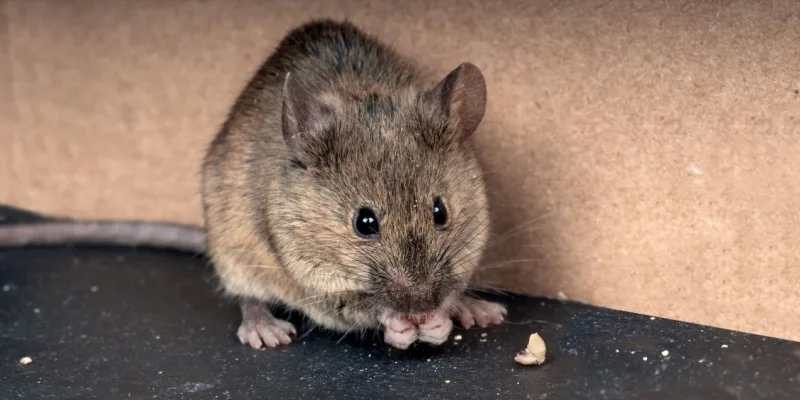
House mice are among the most common rodents found in Maine homes. They are small, typically about 3-4 inches long, with a pointed snout and large ears. House mice are highly adaptable and can thrive in both urban and rural settings.

Characteristics:

  • Appearance: Small size, light brown to gray fur, large ears, and a long, scaly tail.
  • Behavior: Nocturnal, highly agile, and prolific breeders. A single pair can produce up to 5 litters per year, each with 5-10 pups.
  • Habitat: Prefer to nest in warm, hidden areas such as kitchens, pantries, attics, and basements.

2. Norway Rat (Rattus norvegicus)

Also known as brown rats, Norway rats are larger than house mice, measuring about 7-9 inches long with a robust body and a blunt snout. They are strong swimmers and often inhabit sewers and basements.

Characteristics:

  • Appearance: Larger size, brown to gray fur, short tails, and a heavy body.
  • Behavior: Social animals that live in large groups, nocturnal, and excellent swimmers. They can reproduce rapidly, contributing to large infestations.
  • Habitat: Prefer to nest near water sources and in areas with easy access to food, such as garbage areas, sewers, and basements.

3. Roof Rat (Rattus rattus)

Roof rats, also known as black rats, are smaller and more agile than Norway rats, with a slender body and longer tail. They are excellent climbers and often found in elevated areas.

Characteristics:

  • Appearance: Smaller size, black to dark brown fur, long, scaly tails, and large ears relative to their head size.
  • Behavior: Arboreal, preferring to nest in elevated areas like attics, trees, and roofs. They are nocturnal and can be more elusive than Norway rats.
  • Habitat: Often found in buildings with open attics, roof spaces, and areas with climbing vegetation.

4. Deer Mouse (Peromyscus maniculatus)

Deer mice are smaller than house mice, about 3-4 inches long, with a distinctive white underbelly and large eyes. They are commonly found in rural areas and can carry hantavirus, posing significant health risks.

Characteristics:

  • Appearance: Small size, light brown to gray fur, large eyes, and a white underbelly.
  • Behavior: Agile climbers, nocturnal, and solitary. They can carry diseases that are transmissible to humans.
  • Habitat: Prefer to nest in grassy fields, forests, and rural homes, particularly in areas with natural vegetation and rodent-friendly environments.

5. Pack Rat (Neotoma spp.)

Pack rats, also known as woodrats, are medium-sized rodents with a bulky body and a long, bushy tail. They are known for collecting various items to build their nests, often in outdoor areas.

Characteristics:

  • Appearance: Medium size, chunky bodies, long bushy tails, and gray to brown fur.
  • Behavior: Solitary, nocturnal, and known for their habit of collecting shiny objects and building large nests out of debris.
  • Habitat: Prefer rocky areas, woodlands, and structures that offer shelter from the elements.

Maine is home to a variety of rodent species, each with unique behaviors and habitat preferences. Understanding the types of rodents common in Maine helps homeowners implement targeted prevention and control measures. Whether dealing with house mice, Norway rats, roof rats, deer mice, or pack rats, effective rodent management requires a combination of sealing entry points, maintaining cleanliness, and seeking professional pest control services when necessary. For comprehensive rodent control solutions tailored to your specific needs, contact Atlantic Pest Control today.

Categories
Rodents

How Rodents Can Damage Your Home Appliances and Wiring

Rodents are notorious for their ability to cause extensive damage to homes, including valuable appliances and critical wiring systems. Understanding how rodents can harm your property helps emphasize the importance of prompt and effective rodent control. Here’s how rodents can damage your home’s appliances and wiring and what you can do to prevent such issues.

1. Gnawing on Electrical Wires

Rodents’ constant need to gnaw can lead them to chew on electrical wires, posing serious risks:

  • Fire Hazards: Damaged wires can spark electrical fires, potentially leading to extensive property damage and endangering lives.
  • Power Outages: Chewed wires can disrupt your home’s electrical system, causing power outages and affecting the functionality of appliances and lighting.
  • Costly Repairs: Repairing electrical damage caused by rodents can be expensive and time-consuming, often requiring professional intervention.

2. Damage to Home Appliances

Rodents can infiltrate and damage various household appliances, reducing their lifespan and efficiency:

  • Refrigerators and Freezers: Mice and rats can chew through insulation and wiring in refrigerators and freezers, leading to cooling inefficiencies or complete appliance failure.
  • Washing Machines and Dryers: Rodents may damage hoses, vents, and electrical components in washing machines and dryers, causing malfunctions and costly repairs.
  • Dishwashers: Chewing on wiring and hoses can impair dishwasher functionality, leading to leaks, electrical issues, or appliance breakdowns.

3. Compromising Insulation and Ventilation

Rodents can damage insulation and ventilation systems, impacting your home’s energy efficiency and indoor air quality:

  • Insulation: Rodents can shred and contaminate insulation materials, reducing their effectiveness in regulating indoor temperatures and increasing energy costs.
  • Vents and Ductwork: Chewing on vents and ductwork can disrupt your home’s ventilation system, leading to poor air circulation and potential health risks from compromised indoor air quality.

4. Structural Damage to Appliances

In addition to electrical damage, rodents can cause structural harm to appliances:

  • Metal Components: Rodents can chew through metal parts of appliances, weakening their structural integrity and making them more prone to breakage.
  • Plastic Parts: Rodents may also chew on plastic components, leading to leaks, malfunctions, and decreased appliance lifespan.

Preventing Rodent Damage to Appliances and Wiring

Preventing rodents from damaging your home’s appliances and wiring involves a combination of proactive measures and prompt pest control:

  • Seal Entry Points: As discussed in previous blogs, sealing gaps and cracks around your home’s exterior prevents rodents from entering and accessing your appliances and wiring.
  • Maintain Cleanliness: Keeping your home clean and free of food debris minimizes the attraction for rodents, reducing their presence and the likelihood of appliance damage.
  • Regular Inspections: Conduct regular inspections of your home’s appliances and electrical systems to identify any signs of rodent activity early. Look for gnaw marks, droppings, and nesting materials near appliances.
  • Use Rodent-Proof Materials: When repairing or upgrading appliances and wiring, use rodent-resistant materials such as steel or metal sheathing to protect critical components from chewing.
  • Professional Pest Control: If you suspect a rodent infestation, contact professional pest control services like Atlantic Pest Control immediately. Experts can eliminate the infestation, repair damages, and implement measures to prevent future rodent intrusions.

Rodents pose a significant threat to your home’s appliances and electrical systems, leading to costly repairs, safety hazards, and decreased appliance efficiency. By understanding the ways rodents can damage your property and implementing effective prevention strategies, you can protect your home from these persistent pests. For comprehensive rodent control and protection services, trust Atlantic Pest Control to safeguard your Maine home against rodent-related damages.

Categories
Rodents

Professional Rodent Exterminators in Augusta, Maine

Dealing with a rodent infestation can be challenging and stressful for homeowners in Augusta, Maine. While DIY methods can offer temporary relief, professional rodent exterminators provide comprehensive solutions that ensure long-term rodent control and peace of mind. Here’s why hiring professional rodent exterminators in Augusta is the best choice for maintaining a rodent-free home.

Expertise and Experience

Professional rodent exterminators bring a wealth of knowledge and experience to the table. They understand rodent behavior, biology, and the most effective methods for control and prevention. Their expertise allows them to:

  • Identify Infestation Sources: Experts can pinpoint the root causes of rodent problems, including entry points, food sources, and nesting areas.
  • Implement Effective Strategies: They utilize a combination of methods tailored to your specific situation, ensuring comprehensive eradication and prevention.

Comprehensive Inspection and Assessment

A professional exterminator begins with a thorough inspection of your property to assess the extent of the rodent infestation. This includes:

  • Identifying Entry Points: Locating gaps, cracks, and openings that rodents use to enter your home.
  • Evaluating Damage: Assessing the damage caused by rodents, such as gnaw marks, droppings, and nesting materials.
  • Determining Rodent Type: Identifying the species of rodent (e.g., mice, rats) to tailor the extermination approach accordingly.

Safe and Effective Extermination Methods

Professional exterminators use safe and effective rodent control methods that minimize risks to your family and pets. These methods may include:

  • Baiting and Trapping: Strategically placing baits and traps to capture and eliminate rodents efficiently.
  • Exclusion Techniques: Sealing entry points and modifying the environment to prevent rodents from re-entering your home.
  • Environmental Management: Reducing attractants such as food sources and clutter to discourage rodents from settling in your home.

Long-Term Prevention and Maintenance

Exterminating rodents is only part of the solution; preventing their return is equally important. Professional rodent exterminators offer:

  • Preventive Measures: Installing rodent-proof barriers, recommending changes to your property, and providing maintenance tips to keep rodents at bay.
  • Ongoing Support: Offering maintenance plans and regular inspections to ensure that your home remains rodent-free over time.

Time and Cost Efficiency

While DIY methods may seem cost-effective initially, they often fail to address the underlying issues, leading to recurring infestations and increased costs in the long run. Hiring professional exterminators is a more efficient investment, as they provide:

  • Quick Results: Professionals can eliminate rodent problems swiftly, reducing the time and effort you spend on ineffective DIY solutions.
  • Cost-Effective Solutions: By addressing the root causes and preventing future infestations, professional services save you money by avoiding repeated treatments and extensive property damage.

Peace of Mind

Knowing that your rodent problem is being handled by trained professionals provides significant peace of mind. You can trust that your home is in good hands, allowing you to focus on your daily life without the constant worry of rodent invasions.

Rodent infestations in Augusta, Maine, require prompt and effective action to protect your home and family. Professional rodent exterminators offer comprehensive, safe, and long-lasting solutions that go beyond temporary fixes. By leveraging their expertise, conducting thorough inspections, and implementing tailored extermination strategies, professional pest control services ensure that your home remains rodent-free. For reliable and professional rodent control in Augusta, contact Atlantic Pest Control today and take the first step toward a healthier, pest-free home.

Categories
Rodents

Humane Rodent Control Solutions for Maine Homeowners

Rodents can cause extensive damage to homes and pose health risks, but not all rodent control methods are humane. For Maine homeowners seeking effective yet compassionate solutions, there are several humane rodent control options available. Here’s a guide to humane rodent control that prioritizes the well-being of both your home and the rodents.

1. Prevention: The First Line of Defense

The most effective way to control rodents humanely is to prevent them from entering your home in the first place. Implementing proactive measures can significantly reduce the likelihood of an infestation:

  • Seal Entry Points: Inspect your home for any gaps or cracks and seal them using materials that rodents cannot chew through, such as steel wool or metal flashing.
  • Maintain Cleanliness: Keep your home free of food debris by storing food in airtight containers, cleaning up spills promptly, and avoiding leaving pet food out overnight.
  • Manage Outdoor Areas: Trim shrubs, remove debris, and store firewood away from the house to reduce potential rodent habitats.

2. Live Traps: Safe Capture and Release

Live traps are an effective humane method for capturing rodents without harming them. These traps allow you to catch rodents alive and release them far away from your home. Here are some tips for using live traps:

  • Placement: Position traps in areas where rodent activity is frequently observed, such as along walls, behind appliances, or near food sources.
  • Bait: Use attractive bait like peanut butter, dried fruit, or nuts to lure rodents into the trap.
  • Regular Checks: Check traps regularly to ensure that captured rodents are not left confined for extended periods, which can cause stress or harm.

3. Natural Deterrents: Eco-Friendly Options

Several natural substances can act as rodent deterrents, providing a humane way to keep rodents away from your home:

  • Peppermint Oil: Rodents dislike the strong scent of peppermint oil. Soak cotton balls in peppermint oil and place them in areas where rodents are likely to enter.
  • Vinegar: The strong odor of vinegar can repel rodents. Spray a mixture of vinegar and water around entry points and high-traffic areas.
  • Mothballs: While effective, mothballs should be used with caution, as they can be harmful to pets and children if ingested.

4. Professional Humane Rodent Control Services

For severe infestations or homeowners seeking expert assistance, professional pest control services offer humane rodent control solutions. Experts from Atlantic Pest Control can:

  • Assess the Situation: Conduct a thorough inspection to determine the extent of the infestation and identify entry points.
  • Implement Humane Methods: Use a combination of live traps, natural deterrents, and exclusion techniques to manage the rodent population without causing harm.
  • Provide Ongoing Support: Offer maintenance plans to ensure that your home remains rodent-free and provide advice on preventing future infestations.

Humane rodent control is not only compassionate but also effective in managing rodent populations without causing unnecessary harm. By focusing on prevention, using live traps, employing ultrasonic repellents, and incorporating natural deterrents, Maine homeowners can maintain a rodent-free home ethically. When faced with persistent rodent issues, consulting professional pest control services like Atlantic Pest Control ensures that you receive expert, humane solutions tailored to your specific needs.