Categories
Stinging Insect

Late-Season Wasp and Yellow Jacket Activity in Cape Elizabeth, ME

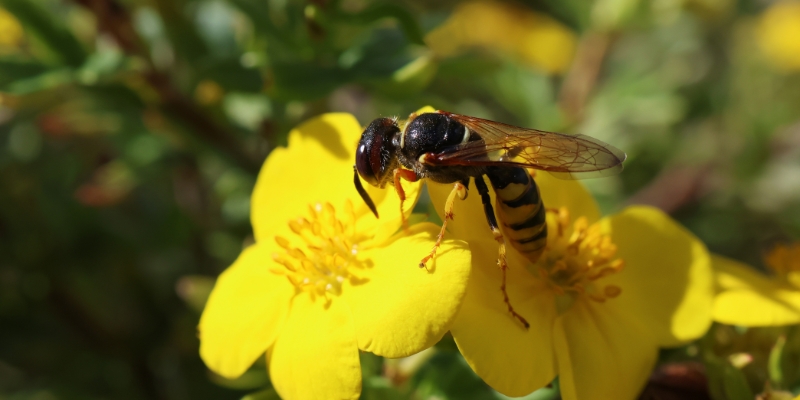
September can bring some of the most noticeable wasp and yellow jacket activity of the year. Colonies have had months to grow, and workers become frequent visitors around food, drinks, fallen fruit, trash, and outdoor gathering areas. If repeated traffic suggests a nest close to your home, professional stinging insect control in Cape Elizabeth from Atlantic Pest Control can locate the source and determine the safest response.

Why Activity Can Peak Late in the Season

Social wasp colonies begin small in spring. A queen establishes a nest and raises the first workers. Those workers expand the nest, feed developing young, and gather food as the colony grows. By late summer and early fall, a mature colony may contain a large number of workers. That population alone makes wasps and yellow jackets easier to notice.

Their feeding behavior also changes. Workers collect protein for developing larvae during much of the season. Adult wasps rely heavily on sugars, and late-season workers search widely for ripe fruit, sweet drinks, syrups, and food waste. A picnic table, recycling bin, or open trash container can become busy even when the nest sits beyond the area you can see.

Cool mornings may temporarily slow the insects, while a warm afternoon produces intense activity. Observe the area at different times of day before assuming a nest is inactive. Colony activity continues until sustained cold and hard freezes end the annual cycle. Fertilized queens leave to find protected winter shelter, while workers and the old queen die as the season closes.

Yellow Jackets Often Hide the Nest Entrance

Yellow jackets frequently nest underground, in old animal burrows, or inside structural voids. You may see workers entering a small opening in the soil, slipping beneath a step, or disappearing through a gap in siding. The nest itself can remain completely hidden.

Paper wasps usually build exposed, open-celled nests under eaves, deck rails, porch ceilings, and other sheltered surfaces. Baldfaced hornets create enclosed paper nests that may hang from a tree, shrub, overhang, or structure. Correct identification affects how the nest should be handled. Honey bees and bumble bees have different biology and may call for a conservation-minded response when their location allows people to avoid them safely.

Watch insect traffic from a generous distance. Workers traveling in a steady line toward one point can reveal an entrance. Mark the general location for the technician without approaching it, blocking it, or striking the structure. Activity entering a wall gap requires special care because plugging the opening can force insects to search for another route, including a path toward the interior.

Why Late-Season Encounters Can Lead to Stings

A yellow jacket scavenging around a drink is away from the nest, but it can still sting. A nest near a walkway, play area, deck, or frequently used door creates an additional concern because social wasps defend their colony. Lawn mowing, trimming shrubs, digging, and moving outdoor items can disturb a nest before you know it is there.

Repeated sightings around one patch of lawn or one section of the house are more useful than the occasional wasp visiting flowers. A steady stream of insects entering and leaving one opening strongly suggests an active nest. Buzzing inside a wall, insects appearing indoors near one room, or activity around an attic vent should also prompt an inspection.

Anyone with a known severe sting allergy should keep extra distance and follow the emergency plan provided by a medical professional. Call emergency services for signs of a serious allergic reaction after a sting. Pest service should be arranged without asking the allergic person to investigate the nest.

Steps You Can Take Without Disturbing a Nest

You can reduce food-related activity while you wait for service. Focus on sanitation and distance:

  • Keep outdoor trash and recycling containers closed, and rinse sweet residue from bottles and cans.
  • Clear food, cups, and serving dishes as soon as an outdoor meal ends.
  • Pick up fallen fruit and clean spills from decks, patios, and tables.
  • Check open cans, cups, and straws before drinking outdoors.
  • Keep children and pets away from the suspected entrance and change the route people use if needed.

Skip attempts to flood, burn, strike, or seal an active nest. Aerosol sprays may miss a colony hidden underground or inside a wall. An incomplete attempt can agitate the workers and expose the person applying it to multiple stings. The safest treatment method depends on the species, nest location, access, and surrounding activity.

What a Professional Inspection Can Clarify

A technician begins by identifying the insect and tracing its flight pattern. The inspection considers where the nest sits, how close it is to people, and whether treatment is warranted. A nest in a remote part of the property may present a different risk than one beside the front steps or inside an exterior wall.

When treatment is needed, the technician targets the active colony and explains what to expect afterward. Some flight activity may continue briefly as workers that were away from the nest return. The technician can also point out conditions that encourage nesting, such as openings into wall voids or sheltered construction gaps that can be corrected after the colony is inactive.

At Atlantic Pest Control, we use an Integrated Pest Management approach and targeted, environmentally conscious treatments. Our Home Resolution plan includes protection from stinging insects, quarterly service, exterior inspections, and complimentary retreats. You can learn more about our local services on our Cape Elizabeth pest control page.

Late-season wasps and yellow jackets can remain active well into fall when the weather cooperates. If you have found a nest or see concentrated activity near an area your family uses, contact Atlantic Pest Control to request an inspection before attempting to handle the colony.

Categories
Spiders

Why Spiders Move Indoors in Fall in Scarborough, ME

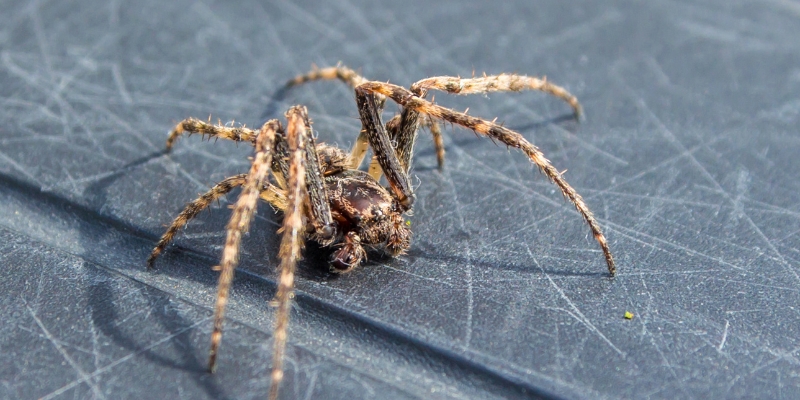
As cooler nights return to southern Maine, you may begin finding spiders along baseboards, near basement doors, or crossing the floor in rooms where you rarely see them during summer. Increased sightings can come from a large indoor population, outdoor wanderers, or greater movement by spiders already in the house. Several seasonal changes can make spiders easier to notice at the same time. Professional spider control in Scarborough from Atlantic Pest Control can identify where the activity is coming from and whether other insects are helping it continue.

Fall Changes Where You See Spiders

Many spiders spend the warm season outdoors in lawns, gardens, woodpiles, sheds, and the sheltered edges of a home. Some hunting spiders accidentally cross indoors while moving through those areas in fall. They may slip under an exterior door, enter through a torn screen, or travel inside with firewood and stored items. These outdoor species often survive poorly in a finished living space, but their sudden appearance can be startling.

Other spiders already live inside. House spiders and cellar spiders can remain in basements, crawl spaces, garages, and other protected areas throughout the year. A change in temperature, prey activity, or mating behavior can bring them out of secluded locations. Adult males of some species roam while searching for females, which is one reason a large spider may suddenly appear on an open floor.

Fall also changes the insects available as prey. Flies, beetles, and other small pests seek shelter around the same period. Exterior lights draw flying insects toward doors, windows, and siding after dark. Spiders often build close to those dependable feeding areas. A web beside a porch light or basement window may tell you that the location provides regular access to insects.

Common Entry Routes Around Scarborough Homes

Spiders can use openings that are easy to overlook during everyday home maintenance. A worn garage-door seal leaves a long gap at ground level. Loose weatherstripping creates access beside an entry door. Openings around pipes, cables, vents, and utility lines can lead into a wall void or basement. Window wells, bulkhead doors, foundation cracks, and damaged screens provide additional routes.

The transition between the foundation and siding deserves attention because several building materials meet there. Small spaces can admit spiders as well as the insects they hunt. Attached garages can also act as a halfway point. A spider enters the garage from outdoors and later reaches the house through the shared door or gaps around interior utility lines.

Homes with shrubs, tall grass, stacked lumber, or firewood close to the exterior may support more insect and spider activity beside the foundation. The plants and stored materials serve as shelter. They also keep spiders within a short distance of cracks, doors, and windows. Your Scarborough pest control inspection can account for these property-specific conditions instead of treating every sighting as the same problem.

One Wandering Spider or Ongoing Indoor Activity

A single spider near an exterior door may have wandered inside. Repeated activity in the same room deserves a closer look. Fresh webs that return soon after cleaning indicate that the location remains useful. Egg sacs, spiders of several sizes, or numerous webs in protected corners suggest a population has had time to settle in.

Pay attention to where sightings occur. Activity concentrated around windows and light fixtures can follow small flying insects. Webs near a basement floor drain, utility area, or damp storage zone may correspond with insects using those conditions. Spiders found mainly beside a garage or bulkhead entrance may be entering from outdoors. This pattern gives a technician a useful starting point.

You can remove an individual spider or web with a vacuum. Empty the vacuum outdoors afterward, especially if you collected an egg sac. Continue watching the area for a week or two. Recurring webs, frequent sightings, or activity in several parts of the house support a broader inspection.

Reduce Fall Spider Activity at the Exterior

Start with the places where the structure meets the outdoors. Replace damaged screens and worn door sweeps. Repair loose weatherstripping. Seal appropriate gaps around utility penetrations and exterior trim. Keep vents functional and use fitted screening designed for the opening. A qualified contractor can evaluate cracks or construction gaps that require building work.

Move firewood away from the house and bring in only what you expect to burn soon. Inspect boxes, outdoor furniture, seasonal decorations, and plant containers before carrying them inside. Trim vegetation that rests against the siding, and avoid leaving leaf litter piled against the foundation.

Outdoor lighting can influence activity around entrances. Use the amount of light needed for safety and direct fixtures toward the area you want illuminated. Keeping bright light from washing across doors and windows can reduce the concentration of flying insects beside common entry points. Closing curtains or shades after dark also limits indoor light that attracts insects toward windows.

Inside, reduce undisturbed hiding places. Store belongings in sturdy containers with fitted lids, especially in basements and garages. Vacuum along sill plates, joists, corners, and behind shelving where webs accumulate. Fix leaks and manage persistent dampness, since moisture can support some of the small insects spiders eat.

Spider Control Should Address the Supporting Conditions

Removing visible spiders provides immediate relief, but the pattern may continue when prey and access remain available. A professional inspection looks for active web sites, likely spider type, insect activity, and entry routes. Treatment can then focus on the areas where spiders live or travel while recommendations address the conditions that keep attracting them.

At Atlantic Pest Control, our year-round residential services use targeted, environmentally conscious methods based on the conditions found during inspection. The Home Resolution plan includes quarterly treatments, exterior pest inspections, coverage for common crawling insects such as spiders, and lower-story cobweb removal.

If spider sightings keep returning in your Scarborough home this fall, contact the team at Atlantic Pest Control to schedule an inspection. We will identify the active areas and recommend a service approach suited to your property.

Categories
General Pest Control

Is Quarterly Pest Control Worth It in Coastal Maine?

Quarterly pest control is the most popular service frequency for Maine homeowners, and along the coast it provides a strong foundation of year-round protection. But whether it is the right fit for your property depends on your home’s location, age, construction, and the specific pest pressures it faces. Atlantic Pest Control provides pest control for coastal communities including Portland, Cape Elizabeth, Scarborough, Falmouth, Cumberland, Yarmouth, Brunswick, Saco, and York.

What Quarterly Service Covers

Atlantic Pest Control’s quarterly plan includes four treatments per year with a year-round guarantee. Each visit includes treatment for common household pests—ants, carpenter ants, box elder bugs, western conifer seed bugs, earwigs, spiders, beetles, and stinging insects. These are the pests that appear most consistently in coastal Maine homes throughout the year.

Quarterly service maintains a treatment barrier around the home and provides four inspection points per year that catch new pest activity as it develops. For many coastal properties, this frequency is sufficient to keep general household pests under control.

Where Quarterly Service Works Well

Homes with newer construction, sealed foundations, and limited exposure to heavy vegetation or wooded lot edges tend to do well on a quarterly schedule. Properties in tightly built neighborhoods where the lot size is moderate and the landscaping is well maintained often fall into this category.

Quarterly service is also a strong starting point for homeowners who are new to professional pest control. It establishes a baseline of protection, and the quarterly inspection visits provide a clear picture of how much pest pressure the property actually experiences. If the quarterly frequency proves insufficient, stepping up to monthly service is straightforward.

Where Coastal Properties May Need More

Coastal Maine homes face pest pressures that some inland properties do not. Salt air and fog create elevated moisture conditions that accelerate wood decay and attract carpenter ants. Properties on wooded lots face heavy tick pressure from spring through fall as deer and mice—the primary hosts for black-legged ticks—travel through the property regularly.

Homes with older construction, complex rooflines, multiple outbuildings, or seasonal vacancy patterns may benefit from monthly service, which shortens the gap between treatments and provides a full inspection at every visit. Monthly plans also include rodent coverage with bait stations and glue boards – an important addition for coastal properties where rodent entry is a persistent concern, particularly during fall and winter.

Combining Plans for Full Coverage

Quarterly general pest service does not include tick and mosquito yard treatment, which runs on its own seasonal schedule. Coastal homeowners who want protection from both household pests and outdoor threats like ticks and mosquitoes often pair the quarterly plan with the seasonal tick and mosquito program, which provides six consecutive monthly applications during the active season from spring through fall.

This combination covers the full spectrum of pest pressures that coastal Maine properties face—indoor household pests year-round and outdoor tick and mosquito populations during the months when they are most active.

Is It Worth the Investment

For most coastal Maine homes, the answer is yes. Quarterly service provides consistent, guaranteed protection at a manageable annual cost. The alternative—waiting until a pest problem becomes visible and then calling for a one-time treatment—is almost always more expensive and leaves the home unprotected between events.

Carpenter ant damage alone can cost thousands in structural repairs. A single season without tick treatment exposes your family and pets to Lyme disease and other tick-borne illnesses. Rodents that move in during the fall and go undetected until spring can cause significant damage to wiring, insulation, and stored belongings.

The right plan depends on your property. Contact Atlantic Pest Control for a free quote and we will help you determine whether quarterly service, monthly service, or a combination of plans is the best fit for your coastal Maine home.

Categories
General Pest Control

How Much Does Pest Control Cost in Maine?

Cost is one of the first questions homeowners ask when considering professional pest control, and it is a fair one. The price of pest control in Maine depends on the type of service, the frequency of treatments, and the specific pests involved. Atlantic Pest Control provides residential pest control across Maine with straightforward plan options and no hidden fees.

What Determines the Price

Several factors influence what pest control costs for a specific home. The main variables include the type of pest, the size of the property, the severity of any current infestation, and the frequency of service.

General household pest control—covering ants, spiders, stinging insects, box elder bugs, western conifer seed bugs, earwigs, and beetles—is the most common service and typically the most affordable option. Specialty treatments for carpenter ants, rodents, or seasonal tick and mosquito control involve different products and techniques and are priced separately.

Larger homes require more product and more time to treat. Properties with significant pest pressure or active infestations may need an initial treatment to bring the problem under control before transitioning to a maintenance plan.

Atlantic Pest Control’s Plan Options

Atlantic Pest Control offers three main residential plan tiers.

  • Quarterly Service provides four treatments per year for the protection of your home against general pests, including ants, carpenter ants, box elder bugs, western conifer seed bugs, earwigs, spiders, beetles, and stinging insects. This plan includes a year-round guarantee.
  • Tick and Mosquito Yard Treatment is a seasonal plan that includes six consecutive monthly applications designed to reduce tick and mosquito populations in your yard. This plan runs during the active season and comes with a satisfaction guarantee.
  • Monthly Service provides the most comprehensive level of protection. Monthly treatments cover all general pests plus German cockroaches and rodents. This plan includes a full inspection at each visit along with rodent bait stations and glue boards.

Each plan is designed to address a different level of pest pressure, and plans can be combined for more complete coverage.

How to Think About the Cost

The cost of pest control is best understood relative to the cost of not having it. Carpenter ant damage in Maine is one of the most expensive residential pest problems in the Northeast. Colonies can grow inside structural wood for years before visible signs appear, and repair costs can run into the thousands. Rodent infestations cause damage to wiring, insulation, and stored belongings. Tick-borne diseases like Lyme disease carry medical costs and long-term health consequences that far exceed the price of seasonal yard treatments.

A preventive plan that catches problems early and maintains consistent protection throughout the year is one of the more affordable forms of home maintenance, especially in a state where pest pressure follows strong seasonal patterns and certain species—like carpenter ants and black-legged ticks—pose significant risks.

Getting an Accurate Estimate

The most reliable way to understand what pest control will cost for your home is to have a professional evaluate your property. Atlantic Pest Control offers free phone quotes and can provide a specific estimate based on your home’s size, location, current pest activity, and the level of service that makes sense for your situation.

Contact Atlantic Pest Control for a free quote and we will recommend the right plan for your property and your budget.