
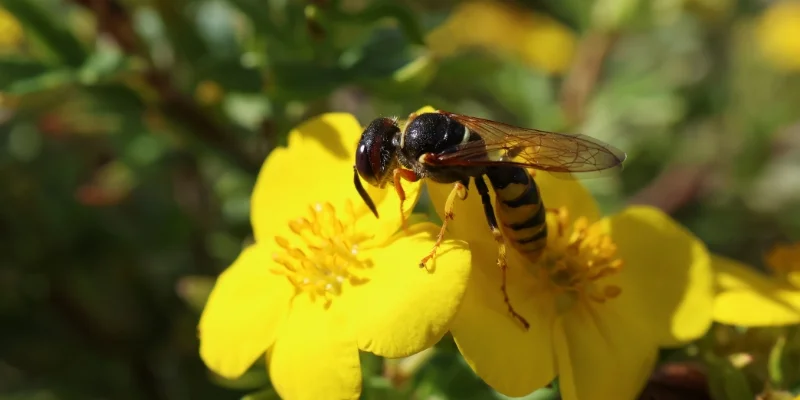
September can bring some of the most noticeable wasp and yellow jacket activity of the year. Colonies have had months to grow, and workers become frequent visitors around food, drinks, fallen fruit, trash, and outdoor gathering areas. If repeated traffic suggests a nest close to your home, professional stinging insect control in Cape Elizabeth from Atlantic Pest Control can locate the source and determine the safest response.
Why Activity Can Peak Late in the Season
Social wasp colonies begin small in spring. A queen establishes a nest and raises the first workers. Those workers expand the nest, feed developing young, and gather food as the colony grows. By late summer and early fall, a mature colony may contain a large number of workers. That population alone makes wasps and yellow jackets easier to notice.
Their feeding behavior also changes. Workers collect protein for developing larvae during much of the season. Adult wasps rely heavily on sugars, and late-season workers search widely for ripe fruit, sweet drinks, syrups, and food waste. A picnic table, recycling bin, or open trash container can become busy even when the nest sits beyond the area you can see.
Cool mornings may temporarily slow the insects, while a warm afternoon produces intense activity. Observe the area at different times of day before assuming a nest is inactive. Colony activity continues until sustained cold and hard freezes end the annual cycle. Fertilized queens leave to find protected winter shelter, while workers and the old queen die as the season closes.
Yellow Jackets Often Hide the Nest Entrance
Yellow jackets frequently nest underground, in old animal burrows, or inside structural voids. You may see workers entering a small opening in the soil, slipping beneath a step, or disappearing through a gap in siding. The nest itself can remain completely hidden.
Paper wasps usually build exposed, open-celled nests under eaves, deck rails, porch ceilings, and other sheltered surfaces. Baldfaced hornets create enclosed paper nests that may hang from a tree, shrub, overhang, or structure. Correct identification affects how the nest should be handled. Honey bees and bumble bees have different biology and may call for a conservation-minded response when their location allows people to avoid them safely.
Watch insect traffic from a generous distance. Workers traveling in a steady line toward one point can reveal an entrance. Mark the general location for the technician without approaching it, blocking it, or striking the structure. Activity entering a wall gap requires special care because plugging the opening can force insects to search for another route, including a path toward the interior.
Why Late-Season Encounters Can Lead to Stings
A yellow jacket scavenging around a drink is away from the nest, but it can still sting. A nest near a walkway, play area, deck, or frequently used door creates an additional concern because social wasps defend their colony. Lawn mowing, trimming shrubs, digging, and moving outdoor items can disturb a nest before you know it is there.
Repeated sightings around one patch of lawn or one section of the house are more useful than the occasional wasp visiting flowers. A steady stream of insects entering and leaving one opening strongly suggests an active nest. Buzzing inside a wall, insects appearing indoors near one room, or activity around an attic vent should also prompt an inspection.
Anyone with a known severe sting allergy should keep extra distance and follow the emergency plan provided by a medical professional. Call emergency services for signs of a serious allergic reaction after a sting. Pest service should be arranged without asking the allergic person to investigate the nest.
Steps You Can Take Without Disturbing a Nest
You can reduce food-related activity while you wait for service. Focus on sanitation and distance:
- Keep outdoor trash and recycling containers closed, and rinse sweet residue from bottles and cans.
- Clear food, cups, and serving dishes as soon as an outdoor meal ends.
- Pick up fallen fruit and clean spills from decks, patios, and tables.
- Check open cans, cups, and straws before drinking outdoors.
- Keep children and pets away from the suspected entrance and change the route people use if needed.
Skip attempts to flood, burn, strike, or seal an active nest. Aerosol sprays may miss a colony hidden underground or inside a wall. An incomplete attempt can agitate the workers and expose the person applying it to multiple stings. The safest treatment method depends on the species, nest location, access, and surrounding activity.
What a Professional Inspection Can Clarify
A technician begins by identifying the insect and tracing its flight pattern. The inspection considers where the nest sits, how close it is to people, and whether treatment is warranted. A nest in a remote part of the property may present a different risk than one beside the front steps or inside an exterior wall.
When treatment is needed, the technician targets the active colony and explains what to expect afterward. Some flight activity may continue briefly as workers that were away from the nest return. The technician can also point out conditions that encourage nesting, such as openings into wall voids or sheltered construction gaps that can be corrected after the colony is inactive.
At Atlantic Pest Control, we use an Integrated Pest Management approach and targeted, environmentally conscious treatments. Our Home Resolution plan includes protection from stinging insects, quarterly service, exterior inspections, and complimentary retreats. You can learn more about our local services on our Cape Elizabeth pest control page.
Late-season wasps and yellow jackets can remain active well into fall when the weather cooperates. If you have found a nest or see concentrated activity near an area your family uses, contact Atlantic Pest Control to request an inspection before attempting to handle the colony.
