
Categories
Spiders

What Types of Spiders Do You Find in Maine?

Maine’s forest landscapes and varied climates make it a haven for a diverse range of wildlife, including several species of spiders. While most spiders in Maine are harmless and even beneficial in controlling pest populations, their presence can still be unsettling for many homeowners. Understanding the types of spiders commonly found in Maine can help you better appreciate these arachnids and know when it might be time to call in professional pest control.

Common Spiders in Maine

Here are some of the most frequently encountered spider species in Maine:

1. Common House Spider (Parasteatoda tepidariorum)

  • Description: This small, brown spider is often found in human dwellings. It has a rounded abdomen with variable patterns, which can include spots and stripes.
  • Habitat: Common house spiders typically build their webs in corners, basements, and closets. They are often found near windows and doors, where they can catch flying insects.
  • Behavior: These spiders are generally harmless to humans and play a significant role in controlling indoor insect populations.

2. Wolf Spider (Family: Lycosidae)

  • Description: Wolf spiders are large, robust spiders with excellent eyesight. They are typically brown with a distinctive pattern of stripes or spots on their bodies.
  • Habitat: These spiders do not build webs. Instead, they are ground-dwelling hunters found in leaf litter, grass, and under stones. They may occasionally enter homes, especially during colder months.
  • Behavior: Wolf spiders are not aggressive and bites are rare. They are beneficial as they hunt and consume other pests.

3. Black and Yellow Garden Spider (Argiope aurantia)

  • Description: Known for its striking appearance, this spider has a black and yellow patterned abdomen and long, black legs.
  • Habitat: It builds large, circular webs in gardens, fields, and other outdoor areas.
  • Behavior: This spider is non-aggressive and poses no threat to humans. It helps control garden pests by catching insects in its web.

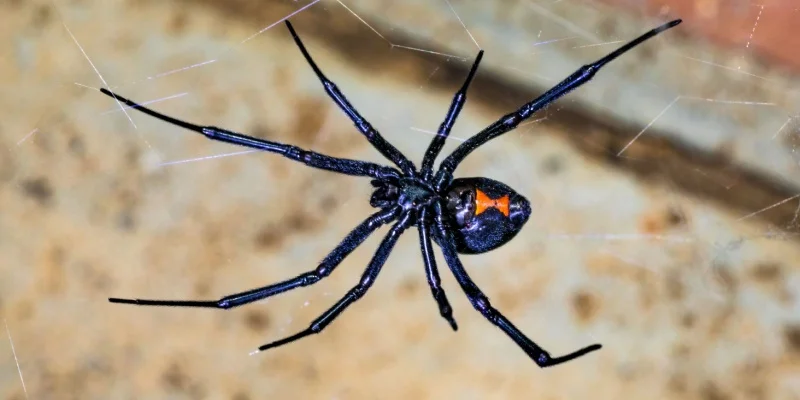
4. Northern Black Widow (Latrodectus variolus)

  • Description: Northern black widows are glossy black spiders with a distinctive red hourglass shape on the underside of their abdomen. They are smaller and less common than other spiders in Maine.
  • Habitat: They prefer dark, secluded areas such as woodpiles, sheds, and basements.
  • Behavior: Black widow bites can be dangerous due to their potent venom. However, they are generally shy and only bite in self-defense.

5. Jumping Spiders (Family: Salticidae)

  • Description: These small, compact spiders are often brightly colored or patterned. They have large, forward-facing eyes that give them excellent vision.
  • Habitat: Jumping spiders are commonly found on walls, windowsills, and plants, both indoors and outdoors.
  • Behavior: Known for their characteristic jumping ability, these spiders are curious and harmless to humans.

6. Fishing Spiders (Dolomedes spp.)

  • Description: Fishing spiders are large and can have a leg span of up to 3 inches. They are typically brown or gray with banded legs.
  • Habitat: These spiders are often found near water sources like streams, ponds, and wetlands. They can also be found in basements or damp areas in homes.
  • Behavior: Fishing spiders are excellent swimmers and can even walk on water. They are not aggressive towards humans.

Identifying and Managing Spider Infestations

While most spiders in Maine are harmless and beneficial, there are times when their presence can become problematic, especially if they enter living spaces in large numbers. Here are some tips for managing spider populations in your home:

1. Regular Cleaning:

Keep your home clean and free of clutter, which can provide hiding places for spiders. Regularly vacuum corners, basements, and other secluded areas.

2. Seal Entry Points:

Spiders can enter homes through cracks, gaps, and openings. Inspect your home for potential entry points and seal them with caulk or weather stripping.

3. Remove Webs:

Regularly remove spider webs from your home and yard to discourage spiders from settling in.

4. Outdoor Maintenance:

Trim vegetation and remove debris from around your home’s perimeter to reduce outdoor spider habitats.

5. Reduce Insects:

Since spiders feed on insects, reducing the overall insect population in your home can make it less attractive to spiders.

Call the Professionals

While many spiders in Maine are harmless and even beneficial, their presence can still cause discomfort and concern. If you’re dealing with a spider infestation or are unsure about the types of spiders in your home, it’s best to seek professional help. Atlantic Pest Control is equipped with the expertise and tools to handle spider infestations effectively and safely. Our team can provide comprehensive inspections, identify the species, and implement targeted treatments to ensure your home remains spider-free. Contact Atlantic Pest Control today to schedule a consultation and take the first step toward a pest-free home.

Categories
Spiders

What Types of Spiders Do You Find in Maine?

Maine’s diverse ecosystems provide a home to a variety of wildlife, including spiders. These arachnids play an essential role in maintaining the local ecosystem by controlling insect populations. From the common garden spider to the reclusive fishing spider, here are some spider species you might encounter in the beautiful state of Maine.

1. Common House Spider

The common house spider, known as the cobweb spider, is a familiar sight in many homes across Maine. With a small body and delicate legs, they construct messy, tangled cobwebs in corners, ceilings, and window sills. While their appearance can be unsettling, these spiders are harmless to humans.

2. Wolf Spiders

Maine is home to several species of wolf spiders, known for their hunting prowess. These spiders are typically brown or gray and have a stout body. Instead of spinning webs, wolf spiders actively hunt for prey, pouncing on insects that cross their path. They are often found in gardens, grassy areas, and under rocks or logs.

3. Jumping Spiders

Jumping spiders are small, agile hunters known for their impressive jumping abilities. These spiders have excellent vision and are capable of leaping several times their body length to capture prey. With their distinctive eye arrangement and colorful patterns, jumping spiders are fascinating to observe. They are commonly found in grassy areas, on walls, and even indoors.

4. Fishing Spiders

Fishing spiders are large, robust arachnids that are well-adapted to aquatic habitats. Found near ponds, streams, and other bodies of water, they use the water’s surface tension to skitter across while hunting for insects and small aquatic creatures. Fishing spiders have long legs and a distinctive appearance, making them easily recognizable.

5. Orb-Weaver Spiders

Maine is home to various species of orb-weaver spiders, known for their intricate, circular webs. These spiders create the classic “spider web” design that many people associate with Halloween decorations. Orb-weavers are found in gardens, forests, and fields. They are highly beneficial to ecosystems as they help control flying insect populations.

6. Cellar Spiders

Cellar spiders, also known as daddy longlegs, are commonly found in dark, damp areas such as basements and crawlspaces. They have long, delicate legs and build loose, tangled webs. Despite their somewhat eerie appearance, cellar spiders are harmless and feed on smaller insects.

7. Sac Spiders

Sac spiders are nocturnal hunters that create small, silken retreats in which they rest during the day. They actively hunt at night and do not rely on webs to catch prey. Sac spiders are relatively small and can vary in color from pale yellow to dark brown.

8. Hacklemesh Weavers

Hacklemesh weavers, also known as funnel weavers, construct tubular webs with a retreat at one end. They wait for prey to wander into their webs before striking. These spiders are often found in grassy areas, under rocks, and in leaf litter.

9. Black and Yellow Garden Spider

The black and yellow garden spider is a large orb-weaver known for its striking coloration. With its distinctive yellow and black markings, this spider is often seen in gardens and open areas. While its appearance might be intimidating, this spider is harmless to humans and contributes to natural pest control.

Maine’s spider species contribute to the state’s intricate ecosystem, playing a crucial role in maintaining insect populations and overall environmental balance. While some of these arachnids might appear intimidating, most are harmless and beneficial.  If you want to ensure a spider-free home, it is recommended to contact Atlantic Pest Control. We can help identify and eliminate these eight-legged creatures from your property, providing you peace of mind.

Categories
Spiders

Maine’s Top Choice for Spider Extermination

Maine’s charming coastal towns come with their fair share of natural wonders, but they also harbor some less welcome residents – spiders. When spider populations get out of control, it’s time to call in the professionals. This article will guide you through the process of finding Maine’s top choice for spider extermination, ensuring a pest-free home without harming the delicate balance of the local ecosystem.

1. Research Local Exterminators

Start by researching local extermination companies in Maine that specialize in spider control. Look for businesses with a track record of successful pest management and positive customer reviews. Online platforms and social media can provide insights into their reputation and the quality of their services.

2. Check for Proper Licensing and Certification

Make sure the extermination company you choose is properly licensed and certified to operate in Maine. This ensures that they adhere to state regulations and follow safe practices while handling potentially harmful chemicals. Reputable companies will have their credentials readily available and will gladly share them with you.

3. Ask for Recommendations

Word of mouth can be a valuable resource when searching for a reliable spider extermination service. Ask friends, family, neighbors, or local community groups for recommendations. Personal experiences can provide insights into different companies’ levels of service, effectiveness, and professionalism.

4. Inquire About Eco-Friendly Options

Maine’s natural beauty is cherished by residents and visitors alike, so it’s essential to choose an extermination service that considers the environment. Inquire about their approach to eco-friendly pest management methods. Frequently, companies that prioritize minimal environmental impact use integrated pest management techniques, which aim to control pests while minimizing the use of harmful chemicals.

5. Request a Consultation

Before making a decision, schedule consultations with a few top-rated extermination companies. During the consultation, discuss your spider problem, ask questions about their methods, and get a clear understanding of the treatment process. A professional exterminator should be able to provide a comprehensive plan tailored to your specific needs.

6. Evaluate Their Expertise

While some pest control companies offer general services, choosing one specializing in spider extermination is best. These 8-legged creatures come in various species, each with unique behaviors and habits. A company with expertise in spider behavior and biology will be better equipped to design an effective eradication plan.

7. Transparency in Pricing

Request a detailed estimate that outlines the costs associated with the spider extermination process. A trustworthy company will provide a transparent breakdown of expenses, including initial treatment, follow-up visits, and any additional services that might be required. Be wary of companies that offer vague pricing or pressure you into signing contracts without clear terms.

8. Ask About Safety Measures

Your safety, as well as that of your family and pets, should be a top priority. Inquire about the extermination company’s safety measures to ensure that their treatments won’t pose any risks to humans or animals. Responsible companies will provide guidelines on preparing your home before treatment and how to proceed afterward.

9. Read the Fine Print

Before finalizing your decision, carefully read through any contracts or agreements provided by the extermination company. Pay attention to cancellation policies, warranties, and any guarantees they offer regarding the effectiveness of their treatments.

10. Compare Customer Service

Excellent customer service can make a significant difference in your overall experience with an extermination company. Choose a company that is responsive, attentive to your concerns, and willing to address any questions you might have. A company’s commitment to customer satisfaction can be a good indicator of its professionalism.

Dealing with a spider infestation in your Maine home doesn’t have to be a daunting task. By following these steps and being diligent in your research, you can find a reputable and effective spider extermination service that aligns with your values and priorities. Remember to choose a company like Atlantic Pest Control that understands Maine’s unique ecosystem and strives to provide pest management solutions that maintain the delicate balance between effective eradication and environmental preservation.